

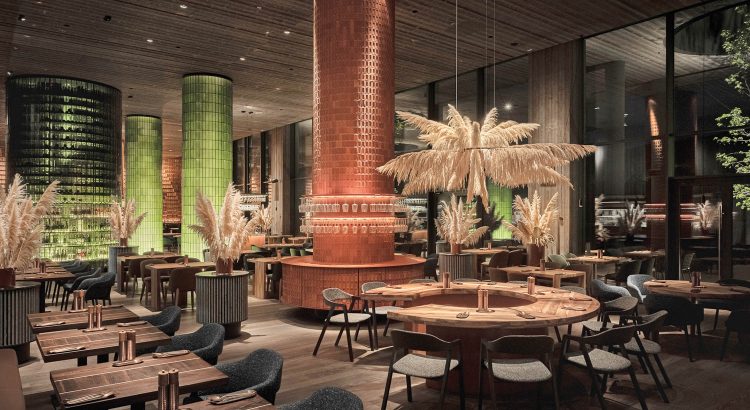
A restaurant is far more than a place to eat. It represents culture, creativity, hospitality, and social connection. From small neighborhood cafés to fine-dining establishments, restaurants shape how people experience food, celebrate moments, and explore flavors from around the world.
In today’s fast-evolving food industry, restaurants blend tradition with innovation, offering experiences that appeal not just to taste buds but also to emotions and lifestyle preferences.
Understanding What Defines a Restaurant
A restaurant is a business that prepares and serves food and beverages to customers. Dining can take place on the premises, through takeout, or via delivery services. While the core purpose is nourishment, the experience is what truly defines a great restaurant.
Key elements that define a restaurant include:
-
Menu design and food quality
-
Service style and hospitality
-
Ambiance and interior aesthetics
-
Pricing and perceived value
-
Consistency and cleanliness
Types of Restaurants You’ll Commonly Find
Restaurants come in many formats, each catering to different needs and occasions.
Casual Dining Restaurants
These offer relaxed environments with affordable pricing and familiar menu options. They are ideal for families, friends, and everyday meals.
Fine Dining Restaurants
Fine dining focuses on premium ingredients, artistic presentation, and exceptional service. Reservations, dress codes, and curated menus are often part of the experience.
Fast Casual Restaurants
Fast casual bridges the gap between fast food and casual dining, emphasizing quick service with higher-quality ingredients and customizable options.
Specialty and Theme Restaurants
These restaurants center around a specific cuisine, concept, or cultural theme, providing immersive dining experiences.
The Role of Ambiance in a Restaurant
Ambiance plays a crucial role in shaping customer perception. Lighting, music, seating layout, and décor all influence how guests feel during their visit.
A well-designed restaurant ambiance:
-
Enhances appetite and comfort
-
Encourages longer visits
-
Builds emotional connections
-
Supports brand identity
Importance of Menu Planning and Food Quality
The menu is the heart of any restaurant. Successful menus balance creativity with clarity, ensuring guests can easily choose dishes that suit their preferences.
Strong menu planning focuses on:
-
Fresh, high-quality ingredients
-
Seasonal offerings
-
Balanced pricing
-
Clear descriptions without overwhelming jargon
Food consistency is equally important. Customers return to restaurants where flavors, portions, and presentation remain reliable.
Customer Service as a Competitive Advantage
Exceptional service transforms a meal into a memorable experience. Friendly, attentive staff can elevate even simple dishes, while poor service can undermine excellent food.
Key traits of effective restaurant service include:
-
Prompt and polite communication
-
Product knowledge
-
Attention to detail
-
Problem-solving mindset
Technology and Modern Restaurants
Technology has become a core part of restaurant operations. From digital menus to online reservations, modern tools improve efficiency and customer convenience.
Popular technology trends in restaurants include:
-
Contactless ordering and payment
-
Online delivery platforms
-
Customer loyalty programs
-
Inventory and staff management systems
Sustainability and Ethical Dining
Many restaurants now embrace sustainable practices to meet growing consumer awareness. Ethical sourcing, waste reduction, and energy efficiency are becoming standard expectations rather than optional extras.
Common sustainability practices include:
-
Locally sourced ingredients
-
Reduced food waste
-
Eco-friendly packaging
-
Energy-efficient equipment
Why Restaurants Matter in Everyday Life
Restaurants serve as social hubs where people connect, celebrate, and unwind. They support local economies, create jobs, and preserve culinary traditions while introducing new flavors and ideas.
Whether it’s a quick lunch or a special celebration, restaurants play a meaningful role in daily life and cultural expression.
Frequently Asked Questions (FAQ)
What makes a restaurant successful?
A successful restaurant combines quality food, consistent service, welcoming ambiance, and effective management.
How important is location for a restaurant?
Location is critical, as visibility, accessibility, and surrounding foot traffic greatly influence customer flow.
Why do restaurants change their menus?
Menus change to reflect seasonal ingredients, customer preferences, cost management, and culinary trends.
What is the difference between casual dining and fine dining?
Casual dining focuses on comfort and affordability, while fine dining emphasizes premium service, presentation, and upscale ambiance.
How do restaurants maintain food safety?
Restaurants follow strict hygiene standards, staff training, temperature controls, and regular inspections to ensure food safety.
Are restaurants adopting sustainable practices?
Yes, many restaurants now prioritize sustainability through local sourcing, waste reduction, and environmentally friendly operations.
How has technology changed restaurants?
Technology has streamlined ordering, payments, reservations, and delivery, improving both efficiency and customer experience.


