
Bakery cakes have always held a special place in culinary culture. They reflect tradition, creativity, and evolving tastes, adapting to changing lifestyles while preserving time-tested techniques. From humble sponge cakes to artistic contemporary designs, bakery cakes continue to delight across generations.
The Foundation of Classic Bakery Cakes
Classic bakery cakes are rooted in simplicity and balance. These recipes have endured because they rely on precise methods and quality ingredients rather than excessive decoration.
Hallmarks of Traditional Cakes
-
Basic ingredients like flour, eggs, sugar, and butter
-
Balanced sweetness that complements natural flavors
-
Soft, even crumb structure
-
Reliable baking techniques passed down through generations
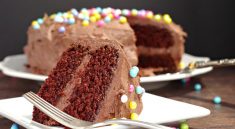
Popular classic styles include vanilla sponge, butter cake, fruit cake, and rich chocolate cake. Their timeless appeal lies in consistency and familiarity.
Traditional Baking Techniques That Still Matter
Even with modern equipment, foundational techniques remain essential in professional bakeries.
Core Methods Used in Classic Cake Baking
-
Creaming butter and sugar for aeration
-
Proper egg incorporation to maintain structure
-
Accurate oven temperatures for even baking
-
Controlled cooling to prevent sinking or dryness
These practices ensure cakes remain moist, flavorful, and structurally sound.
The Rise of Modern Bakery Cake Trends
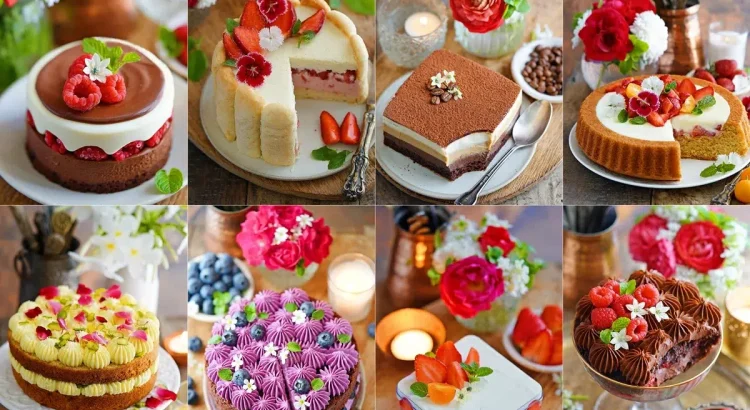
As consumer preferences shift, bakeries have embraced innovation. Modern cakes focus on aesthetics, customization, and ingredient transparency.
Popular Modern Cake Trends
-
Minimalist designs with clean finishes
-
Fusion flavors combining global influences
-
Reduced sugar recipes for health-conscious customers
-
Themed and sculpted cakes for visual impact
Social media has played a major role in driving visually appealing cake designs that are as photogenic as they are delicious.
Ingredients Driving Contemporary Cake Innovation
Modern bakery cakes often experiment with ingredients to create unique textures and flavors.
Trending Ingredients in Modern Cakes
-
Alternative flours such as almond or oat
-
Natural sweeteners like honey or jaggery
-
Fresh fruit reductions and compotes
-
Plant-based dairy substitutes
These ingredients cater to dietary needs while expanding flavor profiles.
Custom Cakes: Where Tradition Meets Personal Expression
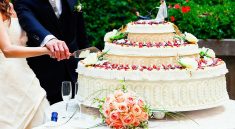
Customization bridges classic recipes and modern creativity. Bakers now tailor cakes to personal stories, themes, and preferences.
Common Customization Requests
-
Personalized messages and color palettes
-
Eggless or allergen-friendly options
-
Mixed flavor layers in a single cake
-
Custom portion sizing for events
This flexibility has made bakery cakes central to celebrations both big and small.
The Role of Presentation in Today’s Bakery Cakes
While classic cakes emphasize taste, modern cakes elevate presentation without compromising flavor.
Visual Elements That Define Modern Cakes
-
Smooth buttercream finishes
-
Hand-painted or textured surfaces
-
Floral and natural décor elements
-
Thoughtful use of negative space
Presentation now complements taste, creating a complete sensory experience.
How Bakeries Balance Tradition and Innovation
Successful bakeries respect classic recipes while selectively adopting trends. This balance ensures reliability for loyal customers and excitement for new audiences. By refining techniques instead of replacing them, bakeries preserve craftsmanship while staying relevant.
Why Bakery Cakes Continue to Evolve
Bakery cakes evolve because celebrations, lifestyles, and expectations evolve. Yet, their core purpose remains unchanged: bringing people together through shared moments of joy and indulgence.
Frequently Asked Questions (FAQ)
1. What is the difference between classic and modern bakery cakes?
Classic cakes focus on traditional recipes and flavors, while modern cakes emphasize design, customization, and innovative ingredients.
2. Are modern bakery cakes less flavorful than classic ones?
Not necessarily. Many modern cakes enhance flavor through unique ingredient combinations and improved techniques.
3. Why are minimalist cake designs so popular today?
Minimalist designs highlight craftsmanship and elegance while aligning with contemporary aesthetic preferences.
4. Can classic cake recipes be adapted to modern dietary needs?
Yes, many traditional recipes can be adjusted for eggless, gluten-free, or reduced-sugar diets.
5. How long do bakery cakes typically stay fresh?
Freshness depends on ingredients and storage, but most cakes are best consumed within two to three days.
6. Do modern cakes require more preparation time?
Custom and detailed designs usually require additional planning and decoration time.
7. What should customers consider when choosing between classic and modern cakes?
Consider the occasion, guest preferences, visual expectations, and desired flavor profile.