
The world of bakery and cake blends tradition, creativity, and precise technique. From everyday treats to milestone centerpieces, bakeries play a vital role in how people celebrate, comfort, and connect. This guide explores how bakeries operate, what defines a great cake, and how modern trends are shaping the industry.
Understanding the Modern Bakery
A bakery is more than a place to buy sweets. It is a production space where ingredients, timing, and skill converge to deliver consistent quality.
Core Functions of a Bakery
-
Preparation and baking of fresh products daily
-
Recipe development for signature items
-
Quality control to maintain taste, texture, and appearance
-
Customer customization, especially for cakes
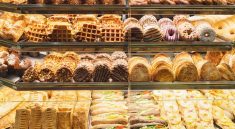
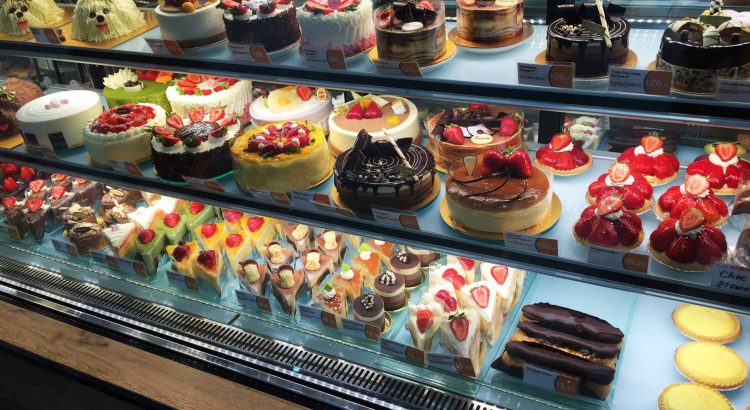
Bakeries may specialize in cakes, breads, pastries, or offer a full range of baked goods. Cake-focused bakeries often invest heavily in decoration tools and temperature-controlled storage to preserve freshness.
What Makes a Cake Truly Exceptional?
A cake’s appeal goes far beyond sweetness. Balance and structure matter just as much as flavor.
Key Elements of a High-Quality Cake
-
Ingredients: Fresh eggs, real butter, quality flour, and natural flavorings
-
Texture: Moist crumb without being dense or greasy
-
Flavor balance: Sweetness complemented by acidity, bitterness, or spice
-
Finish: Clean frosting application and thoughtful decoration
Professional bakers pay close attention to ratios and baking temperatures, ensuring every slice performs as expected.
Popular Types of Bakery Cakes
Different occasions call for different styles of cakes. Bakeries often categorize offerings to meet varied customer needs.
Common Cake Categories
-
Birthday cakes: Custom themes, vibrant colors, flexible sizing
-
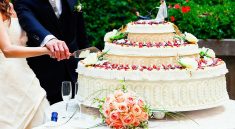
Wedding cakes: Multi-tiered, elegant designs, refined flavors
-
Celebration cakes: Anniversaries, graduations, corporate events
-
Everyday cakes: Loaf cakes, slices, and small round cakes for casual enjoyment
Each category demands a different approach to design, transport, and storage.
Custom Cakes and Personalization
Customization has become a defining feature of successful bakeries. Customers expect cakes that reflect personal stories, not just standard designs.
Popular Customization Options
-
Flavor combinations tailored to preference
-
Dietary adaptations such as eggless, gluten-free, or reduced sugar
-
Personalized messages and themed decorations
-
Sculpted or novelty cake shapes
Clear communication between baker and customer is essential to translate ideas into edible form.
Trends Shaping the Bakery & Cake Industry
The bakery sector continues to evolve as consumer preferences shift toward authenticity and transparency.
Notable Current Trends
-
Minimalist designs with clean lines and subtle colors
-
Natural ingredients and fewer artificial additives
-
Smaller portion sizes to reduce waste
-
Seasonal menus highlighting local produce
Social media visibility has also increased demand for visually striking cakes that photograph well without sacrificing taste.
Choosing the Right Bakery
Selecting a bakery involves more than browsing photos. Quality reveals itself through consistency and professionalism.
What to Look For
-
Clear ingredient labeling and hygiene standards
-
Willingness to discuss customization details
-
Portfolio showing a range of styles and finishes
-
Honest guidance on portion sizes and storage
A reliable bakery prioritizes both flavor and customer experience.
Storage and Shelf Life of Cakes
Proper handling ensures a cake tastes as good as it looks.
Basic Storage Guidelines
-
Refrigerate cream-based or fruit-filled cakes
-
Keep buttercream cakes in a cool, dry place
-
Avoid exposure to strong odors
-
Consume within recommended time frames for freshness
Following storage advice helps preserve texture and flavor integrity.
The Role of Cakes in Celebrations
Cakes symbolize joy, achievement, and togetherness. Whether simple or elaborate, they often become the emotional centerpiece of an event. A well-made cake enhances memories and reflects care put into the occasion.
Frequently Asked Questions (FAQ)
1. How far in advance should a custom cake be ordered?
Most bakeries recommend placing orders 5–7 days in advance, while complex or large cakes may require more time.
2. Are bakery cakes healthier than packaged cakes?
Bakery cakes often use fresher ingredients and fewer preservatives, but nutritional value depends on recipe and portion size.
3. Can cakes be frozen for later use?
Yes, many sponge cakes freeze well if wrapped properly, though decorated cakes are best enjoyed fresh.
4. What is the difference between buttercream and fondant?
Buttercream is soft and creamy, while fondant provides a smooth, firm finish ideal for detailed designs.
5. How do bakeries calculate cake size for events?
Size is based on number of servings, slice dimensions, and event type rather than just cake diameter.
6. Are eggless cakes comparable in taste and texture?
When formulated correctly, eggless cakes can be equally moist and flavorful as traditional versions.
7. How should a cake be transported safely?
Keep the cake on a flat surface, avoid direct sunlight, and maintain a cool environment during transport.