
Cooking doesn’t have to be complicated to be good. With a few practical habits and smart techniques, everyday meals can taste better, take less time, and feel more enjoyable to make. The tips below focus on fundamentals that work in real kitchens, whether you’re cooking for one or feeding a family.
Master the Basics Before Experimenting
Strong fundamentals create consistent results. Before chasing complex recipes, focus on techniques that apply to almost everything you cook.
Key basics to practice
- Knife skills: Even cuts cook evenly and improve presentation
- Heat control: Medium heat is often better than high heat for flavor development
- Seasoning early: Salting in layers builds depth instead of surface saltiness
A confident cook isn’t someone who knows many recipes—it’s someone who controls these basics well.
Prep Before You Turn on the Stove
Professional kitchens rely on preparation for a reason. Home cooks benefit just as much.
Smart prep habits
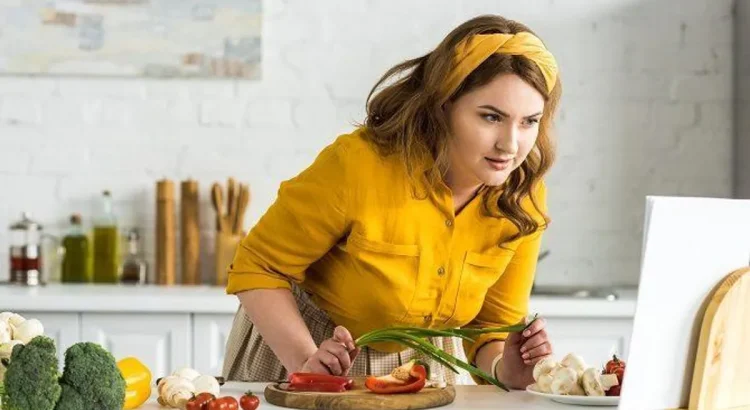
- Wash, chop, and measure ingredients first
- Read the recipe fully before starting
- Group ingredients by cooking stage
This reduces mistakes, prevents burning, and keeps cooking calm rather than rushed.
Use the Right Pan for the Job
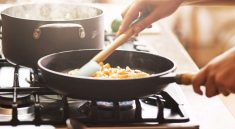
The pan you choose affects texture, browning, and moisture more than most people realize.
Pan pairing tips
- Cast iron: Best for searing meat and high-heat cooking
- Nonstick: Ideal for eggs, pancakes, and delicate foods
- Stainless steel: Great for sauces and foods that need browning
Avoid overcrowding pans—crowding traps steam and stops food from browning properly.
Season Thoughtfully, Not Aggressively
Seasoning is about balance, not just saltiness.
Better seasoning strategies
- Salt gradually during cooking, not only at the end
- Use acid (lemon, vinegar) to brighten heavy dishes
- Finish with fresh herbs for aroma and freshness
If a dish tastes flat, it often needs acidity—not more salt.
Learn to Taste as You Cook
Tasting isn’t cheating—it’s how good cooks adjust in real time.
What tasting helps you fix
- Over- or under-seasoning
- Texture issues
- Flavor imbalance
Small adjustments during cooking prevent disappointment at the table.
Respect Resting Time
Many foods improve when given a short rest.
Why resting matters
- Meat stays juicier after cooking
- Baked goods set properly
- Flavors redistribute evenly
Cutting too soon is one of the most common mistakes in home cooking.
Keep Your Kitchen Organized
A clean, organized space makes cooking faster and safer.
Simple organization wins
- Clean as you go
- Keep frequently used tools within reach
- Store spices away from heat and light
An orderly kitchen reduces mental clutter and cooking fatigue.
FAQs
How can I make food taste better without adding more salt?
Use acids like lemon juice or vinegar, add fresh herbs, or incorporate umami-rich ingredients such as mushrooms or tomatoes.
What’s the easiest way to improve my knife skills?
Practice slow, controlled cuts and keep your knife sharp—sharp knives are safer and more precise.
Is high heat always better for cooking?
No. High heat is useful for searing, but medium heat develops flavor more evenly for most dishes.
How do I know when meat is fully cooked?
A food thermometer is the most reliable method. Visual cues alone are often misleading.
Can I substitute dried herbs for fresh ones?
Yes. Use about one-third the amount of dried herbs compared to fresh.
Why does my food stick to stainless steel pans?
The pan may not be hot enough, or the food was moved too early before it naturally released.
How can I cook faster on busy weeknights?
Plan meals ahead, prep ingredients in advance, and rely on simple techniques rather than complex recipes.