

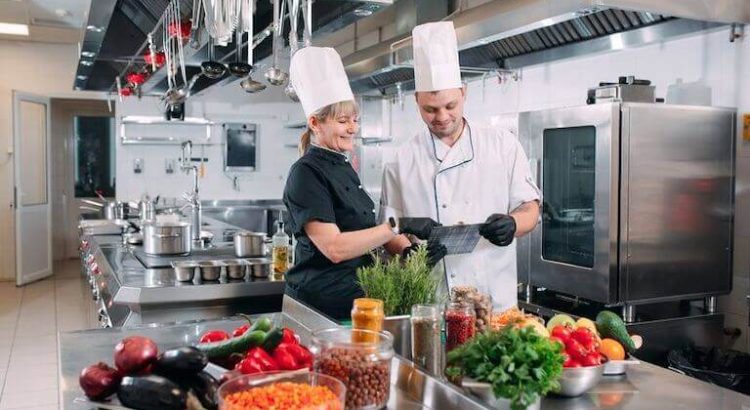
Great chefs have the rare ability to turn ordinary ingredients into extraordinary moments. With the right techniques, vision, and passion, a chef can elevate simple food into a meaningful experience that engages all the senses. This transformation is not accidental—it is the result of skill, intention, and deep respect for ingredients.
Understanding Ingredients at Their Core
Every memorable dish begins with knowledge. Chefs study ingredients to understand their natural flavors, textures, and behavior during cooking.
This includes:
- Knowing how heat affects taste and structure
- Pairing complementary flavors
- Selecting ingredients at peak freshness
- Respecting seasonal availability
By understanding ingredients deeply, chefs allow their natural qualities to shine rather than overpowering them.
Mastering Technique to Elevate Simplicity
Technique is what turns simplicity into sophistication. Even the most basic ingredients can become remarkable when handled correctly.
Key techniques chefs rely on:
- Proper seasoning to enhance, not mask, flavor
- Controlled cooking temperatures
- Precision knife work for texture and consistency
- Classic methods such as roasting, slow-cooking, or emulsifying
Technical mastery ensures that simplicity feels intentional and refined.
Creativity Through Thoughtful Combination
Chefs create memorable experiences by combining ingredients in ways that feel both surprising and familiar.
This creativity appears through:
- Balancing sweet, salty, acidic, and umami flavors
- Using herbs and spices with restraint
- Introducing contrast in texture and temperature
- Reimagining traditional dishes with modern touches
Thoughtful combinations spark curiosity while maintaining comfort.
Storytelling Through Food
Food becomes memorable when it tells a story. Chefs often draw inspiration from culture, travel, or personal history.
Storytelling may involve:
- Honoring traditional recipes
- Highlighting local or regional ingredients
- Reflecting childhood memories or heritage
- Connecting dishes to seasons or celebrations
When diners sense a story behind the plate, the experience becomes emotional and lasting.
Presentation That Engages the Senses
Visual appeal plays a major role in how food is perceived. Chefs design plates to stimulate anticipation before the first bite.
Effective presentation focuses on:
- Clean, intentional plating
- Color contrast and balance
- Portion control and spacing
- Natural arrangement rather than overcrowding
A well-presented dish prepares the diner for an elevated experience.
Creating Emotional Connections Through Flavor
Memorable meals often trigger emotions. Chefs aim to create comfort, excitement, nostalgia, or surprise through flavor.
They achieve this by:
- Revisiting familiar flavors in new ways
- Paying attention to aroma and mouthfeel
- Crafting dishes that feel personal and inviting
When food connects emotionally, it stays with diners long after the meal ends.
Consistency and Attention to Detail
Transformation only succeeds when quality remains consistent. Chefs ensure that each serving delivers the same experience.
This requires:
- Precise measurements and timing
- Continuous tasting and adjustment
- Maintaining high standards during busy service
Consistency builds trust and reinforces the memory of the dish.
Conclusion
Chefs transform simple ingredients into memorable experiences by combining knowledge, technique, creativity, and emotion. Through careful preparation and thoughtful presentation, even the most humble ingredients can leave a lasting impression. It is this ability to elevate the ordinary that defines truly exceptional chefs.
Frequently Asked Questions (FAQ)
1. Why do simple ingredients often create the best dishes?
Simple ingredients allow natural flavors to stand out when treated with skill and care.
2. How important is seasoning in transforming food?
Seasoning enhances flavor and balance, making a significant difference in the final experience.
3. Can presentation really affect taste perception?
Yes, visual appeal influences expectations and how flavors are experienced.
4. Do chefs rely more on creativity or technique?
Both are essential—technique provides structure, while creativity adds uniqueness.
5. How do chefs develop their sense of flavor pairing?
Through experience, tasting, experimentation, and studying culinary traditions.
6. Why is storytelling important in cooking?
Stories add emotional depth, helping diners connect personally with the food.
7. Can home cooks apply these chef techniques?
Absolutely. Focusing on fresh ingredients, proper seasoning, and simple techniques can elevate home cooking.